

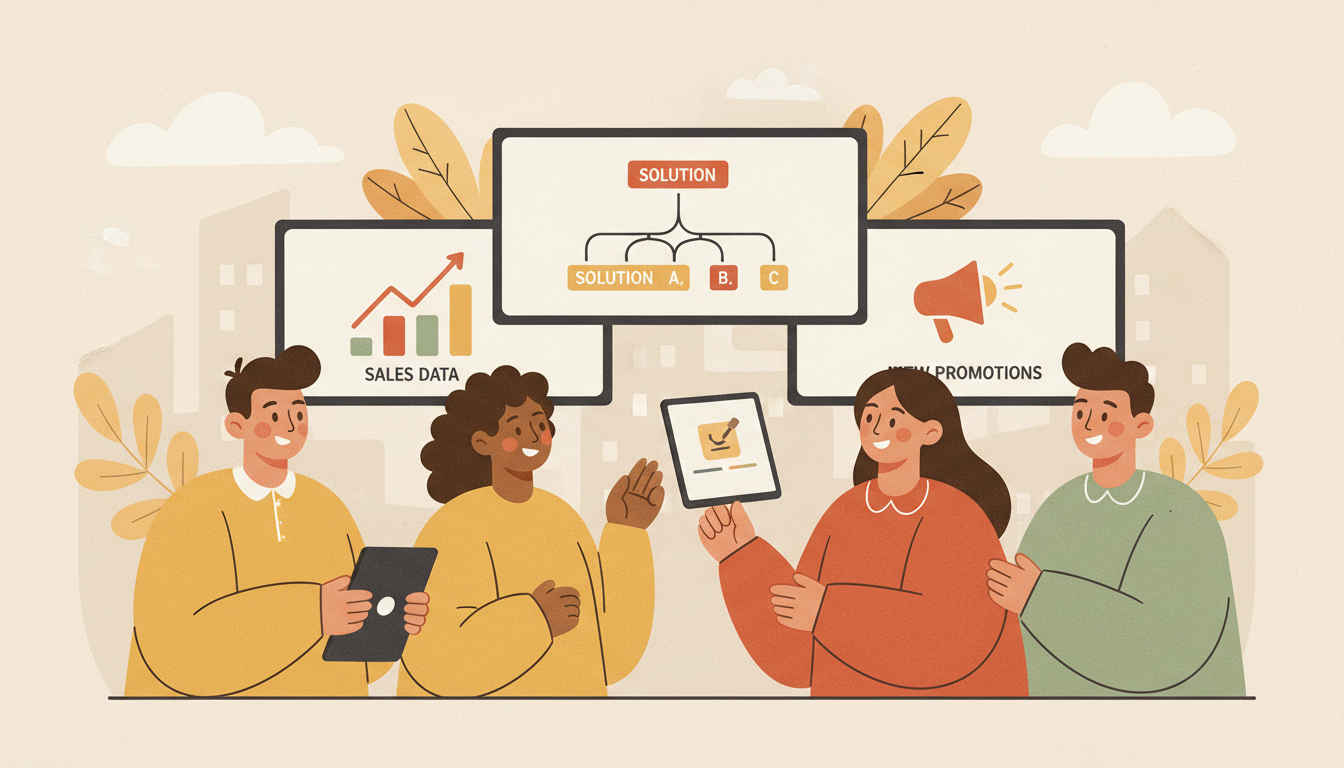

A digital display board is a screen that shows dynamic content controlled by software. Thats it. No mystery here. The term is often used interchangeably with digital signage because.. well.. they mean the same thing.
The setup is simple. You (usually) have a screen, a media player, and cloud-based software that lets you manage what appears on that screen. You can update content from anywhere with an internet connection. This is what makes digital display boards different from static signs or printed posters.
The Basic Components
Every digital display board has three parts. First is the screen itself. This can be a commercial-grade display, a consumer TV, or even an LED video wall. The size and type depend on where you plan to use it.
Second is the media player. This small device connects to your screen and pulls content from the cloud. Some screens have built-in players, but most setups use an external device for better performance and reliability.
Third is the software. This is where you create, schedule, and manage your content. Good digital signage software lets you control multiple screens from one dashboard. You can push updates instantly or schedule them weeks in advance.
Why Cloud-Based Software Matters
The cloud changed everything for digital signage. Before cloud software, you had to physically go to each screen to update content. That meant USB drives, manual uploads, and a lot of wasted time.
Now you log into a web portal and make changes that appear on screens across the world in seconds. This is especially valuable for businesses with multiple locations. A restaurant chain can update pricing at 500 stores with a few clicks.
Cloud software also enables remote monitoring. You can see which screens are online, check for issues, and troubleshoot without leaving your desk. This reduces downtime and keeps your messaging consistent.
Corporate Communication and Employee Engagement
One of the biggest uses for digital display boards is internal communication. Companies place screens in lobbies, break rooms, and common areas to share information with employees.
This beats email for important announcements. People scroll past emails. They cant scroll past a screen in the hallway. Digital boards make sure your message gets seen.
Common content includes company news, safety reminders, performance metrics, and event announcements. Some companies display social media feeds or employee recognition programs. The goal is to keep people informed and connected to the organization.
Employee engagement improves when people feel in the loop. Digital signage creates that connection in a way that other communication tools cannot match.
Digital Menu Boards in Restaurants
Restaurants were early adopters of digital display boards. The use case is obvious. Menus change. Prices change. Specials come and go. Printing new menu boards every time something changes is expensive and slow.
Digital menu boards solve this problem. You update the software and the change appears on screen immediately. No printing costs. No waiting for delivery. No labor to swap out boards.
But the real power is in dayparting. This means showing different content at different times of day. Breakfast menu in the morning, lunch menu at noon, dinner menu in the evening. All automatic. All scheduled in advance.
Drive-thru operations benefit the most. Digital menu boards at the drive-thru can display dynamic content that adjusts based on time, weather, or inventory. This increases order speed and average ticket size.
The restaurant industry has moved heavily toward digital. If you want to understand how digital menu boards work, the technology is straightforward. The strategy is where it gets interesting.
Digital Out of Home Advertising
Digital out of home, or DOOH, refers to digital display boards used for advertising in public spaces. Think billboards, transit stations, shopping malls, and airports.
This market has grown fast. Advertisers like DOOH because they can change creative quickly, target specific locations, and measure results better than traditional billboards.
The technology is the same as other digital signage. Screens connected to cloud software displaying scheduled content. The difference is scale and placement. DOOH networks can include thousands of screens across multiple cities.
Programmatic buying has entered this space too. Advertisers can now purchase DOOH inventory through automated platforms, similar to online display ads. This makes digital billboards accessible to smaller advertisers who couldnt afford traditional outdoor media.
Retail and Other Industries
Retail stores use digital display boards for promotions, wayfinding, and product information. A screen near a product display can show features, reviews, or demo videos. This helps customers make decisions without needing a sales associate.
Retail digital signage also creates atmosphere. Video walls and dynamic content make stores feel modern and engaging. This matters in an era when physical retail competes with online shopping for attention.
Healthcare facilities use digital boards for patient education and wayfinding. Hotels use them for event schedules and local information. Schools use them for announcements and emergency alerts. The applications are endless because the core technology is flexible.
Choosing the Right Setup
The best digital display board setup depends on your specific needs. Consider where the screens will go, who will manage the content, and how often you need to make updates.
For most businesses, a commercial-grade screen with a reliable media player and user-friendly software is the right choice. Consumer TVs work for low-traffic indoor areas but wont last in demanding environments.
Software matters more than hardware in most cases. A great screen with bad software creates frustration. Good software with a decent screen creates results. Focus on finding a platform that fits your workflow and technical comfort level.
Digital display boards have become standard for businesses that want to communicate effectively. The technology is mature, the costs have come down, and the benefits are proven. The only question is how you will use them.